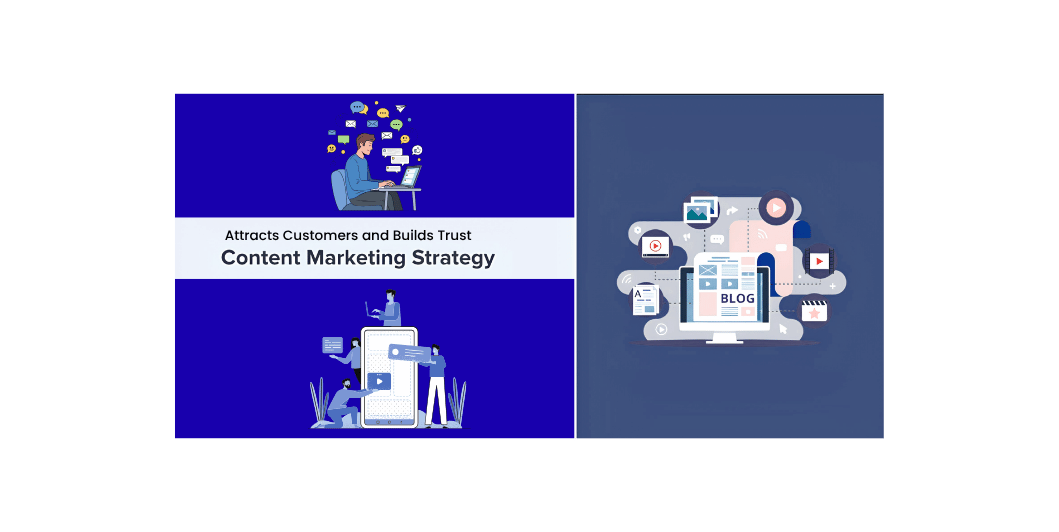
Content Marketing Strategy: How to Create Content That Attracts Customers and Builds Trust (2026)
Introduction
Imagine walking into a store where the salesperson immediately asks you to buy something.
Now imagine another store where the staff first answers your questions, helps you compare products, shares useful advice, and then lets you decide.
Which business would you trust more?
Online marketing works the same way.
People don’t want to be sold to all the time—they want useful information that helps them solve problems and make better decisions.
That’s the purpose of content marketing.
Instead of interrupting customers with advertisements, content marketing attracts them by providing value first. Over time, this builds trust, authority, and stronger customer relationships.
What Is Content Marketing?
Content marketing is the practice of creating and sharing valuable, relevant, and consistent content to attract and engage a clearly defined audience.
Rather than focusing only on selling, it aims to educate, inform, and inspire potential customers.
Examples include:
- Blog posts
- Videos
- Infographics
- Social media posts
- Podcasts
- Email newsletters
- Case studies
- eBooks
- Webinars
Why Content Marketing Matters
An effective content strategy helps businesses:
- Build trust
- Improve brand awareness
- Increase website traffic
- Generate qualified leads
- Support SEO efforts
- Educate customers
- Improve customer retention
Unlike paid advertising, quality content continues working long after it’s published.
Read More: The Ultimate Digital Growth Guide for Small Businesses
Understand Your Audience
Before creating any content, understand who you’re speaking to.
Ask questions like:
- Who is my ideal customer?
- What challenges do they face?
- What questions do they ask?
- Which platforms do they use?
- What type of content do they enjoy?
The better you understand your audience, the more useful your content will be.
Set Clear Content Goals
Every piece of content should have a purpose.
Examples include:
- Increase website traffic
- Generate leads
- Build brand awareness
- Educate customers
- Improve customer retention
- Support product launches
Goals help you measure success and plan effectively.
Types of Content You Should Create
Blog Articles
Long-form blog posts improve search visibility and establish your expertise.
Topics might include:
- How-to guides
- Industry trends
- Tutorials
- FAQs
- Case studies
Videos
Video content is ideal for:
- Product demonstrations
- Tutorials
- Customer testimonials
- Behind-the-scenes content
- Educational tips
Infographics
Infographics simplify complex information into visually engaging formats, making them easy to share.
Read Also: Digital Marketing for Small Businesses
Email Newsletters
Stay connected with your audience by sharing:
- Business updates
- Helpful articles
- Promotions
- Tips
- Event announcements
Social Media Content
Use platforms like Facebook, Instagram, LinkedIn, and YouTube to distribute your content and encourage engagement.
Create a Content Calendar
Planning ahead keeps your marketing consistent.
A monthly content calendar might include:
- Weekly blog post
- Daily social media updates
- Monthly newsletter
- Two educational videos
- One customer success story
Consistency builds familiarity and trust.
Read Also: Why Branding Matters
Focus on Quality Over Quantity
Publishing fewer, high-quality articles is usually more effective than publishing many low-value posts.
Great content is:
- Helpful
- Accurate
- Well-structured
- Easy to read
- Updated regularly
Aim to answer real customer questions rather than simply filling your blog.
Repurpose Your Content
One blog post can become multiple pieces of content.
For example:
- Turn a blog into a LinkedIn article
- Create Instagram carousel posts
- Record a YouTube video
- Send highlights in an email newsletter
- Design an infographic
Repurposing saves time and extends the value of your work.
Measure Your Results
Track metrics such as:
- Website traffic
- Time on page
- Bounce rate
- Social shares
- Email subscribers
- Leads generated
- Conversion rate
Review your analytics regularly and refine your strategy based on the results.
Common Content Marketing Mistakes
Avoid these common mistakes:
- Publishing without a strategy
- Creating content only to sell
- Ignoring audience needs
- Posting inconsistently
- Neglecting updates to older articles
- Failing to promote new content
Content Marketing Checklist
Before publishing, make sure you’ve:
✅ Defined your audience
✅ Set a clear goal
✅ Written a compelling headline
✅ Included relevant visuals
✅ Added internal links
✅ Included a call to action
✅ Optimized for mobile devices
✅ Proofread your content
Frequently Asked Questions
Is content marketing better than advertising?
They serve different purposes. Advertising can generate immediate visibility, while content marketing builds trust and long-term relationships. Many businesses benefit from using both together.
How often should I publish content?
Consistency matters more than frequency. A realistic schedule that you can maintain is usually more effective than publishing a large amount of content irregularly.
What types of content work best?
The best format depends on your audience and goals. Blog posts, videos, infographics, and email newsletters all have value when they answer customer questions and provide useful information.
How long does content marketing take to show results?
Content marketing is a long-term strategy. As your library of helpful content grows, it can continue attracting visitors and supporting your business over time.
Final Thoughts
Content marketing is one of the most effective ways to earn attention rather than compete for it. By consistently creating helpful, relevant content, you can build authority, strengthen customer relationships, and support every other part of your digital marketing strategy.
Focus on solving real problems, stay consistent, and continue improving your content based on audience feedback. Over time, these efforts can become one of your business’s strongest competitive advantages.






2 Comments