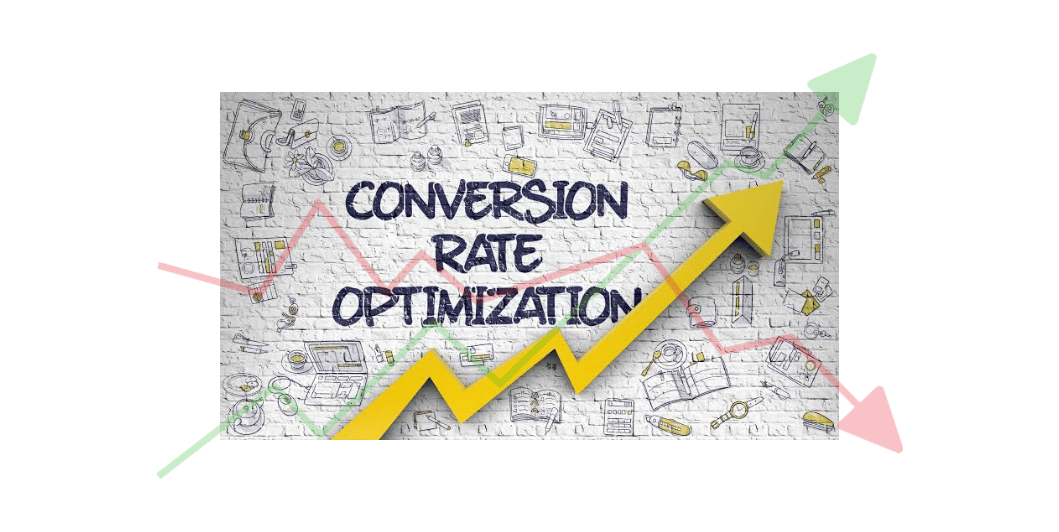
Conversion Rate Optimization (CRO): How to Turn More Website Visitors into Customers
Introduction
Driving traffic to your website is only half the battle.
Imagine your website receives 5,000 visitors every month, but only a handful contact you or make a purchase. That’s a missed opportunity.
Instead of spending more on ads to get additional traffic, you can often achieve better results by improving how many existing visitors take action.
This process is known as Conversion Rate Optimization (CRO).
CRO focuses on improving your website so that more visitors become leads, subscribers, or paying customers.
What Is Conversion Rate Optimization?
Conversion Rate Optimization is the process of improving your website, landing pages, and user experience to increase the percentage of visitors who complete a desired action.
A conversion could be:
- Filling out a contact form
- Making a purchase
- Booking a consultation
- Calling your business
- Downloading a guide
- Signing up for a newsletter
- Starting a free trial
The higher your conversion rate, the more value you get from your existing traffic.
Why CRO Matters
Effective CRO helps you:
- Increase sales without increasing traffic
- Lower customer acquisition costs
- Improve return on advertising spend
- Create a better user experience
- Generate more qualified leads
- Make marketing campaigns more profitable
How to Calculate Conversion Rate
The basic formula is:
Conversion Rate = (Conversions ÷ Total Visitors) × 100
For example:
- Website visitors: 2,000
- Contact form submissions: 80
Conversion Rate = (80 ÷ 2,000) × 100 = 4%
Tracking this metric over time helps you measure the impact of improvements.
Read Also: Digital Marketing for Small Businesses
10 Proven CRO Strategies
1. Improve Your Website Speed
Visitors expect pages to load quickly.
Compress images, use reliable hosting, and minimize unnecessary scripts to improve loading times.
2. Write Clear Calls to Action (CTAs)
Your CTA should tell visitors exactly what to do.
Examples:
- Get a Free Quote
- Book a Consultation
- Download the Guide
- Contact Our Team
Use action-oriented language and make buttons easy to find.
3. Simplify Contact Forms
Long forms discourage users.
Only ask for information you genuinely need.
4. Build Trust
Include:
- Customer testimonials
- Case studies
- Reviews
- Certifications
- Secure payment badges (if applicable)
Trust signals can reduce hesitation.
Read Also: Content Marketing Strategy
5. Optimize for Mobile
A significant share of website traffic comes from smartphones.
Ensure your site is responsive, easy to navigate, and fast on mobile devices.
6. Improve Landing Pages
Each landing page should focus on one primary goal.
Avoid unnecessary links or distractions that could take visitors away from your call to action.
7. Use High-Quality Visuals
Professional images, videos, and graphics help communicate your message and enhance credibility.
8. Test Different Headlines
Your headline is often the first thing visitors read.
Experiment with different headlines to determine which version generates more engagement.
9. Make Navigation Simple
Help visitors find information quickly.
Use clear menus, logical page structure, and consistent design.
Read Also: Lead Generation for Small Businesses
10. Analyze User Behavior
Use analytics and heatmap tools to understand how visitors interact with your website.
Look for pages with high exit rates or abandoned forms and identify areas for improvement.
Common CRO Mistakes
Avoid these common issues:
- Slow-loading pages
- Confusing navigation
- Weak or unclear CTAs
- Too many form fields
- Poor mobile experience
- Cluttered page layouts
- Ignoring analytics
CRO Checklist
Before publishing or updating your website, ensure you have:
✅ Fast page loading
✅ Mobile-friendly design
✅ Clear calls to action
✅ Simple contact forms
✅ Trust-building elements
✅ High-quality visuals
✅ Easy navigation
✅ Analytics tracking
Frequently Asked Questions
Read More: 10 Reasons Every Small Business Needs a Professional Website
What is a good conversion rate?
A good conversion rate varies depending on your industry, audience, and goals. Rather than comparing yourself with others, focus on improving your own results over time.
Is CRO only for eCommerce websites?
No. Service businesses, agencies, consultants, and local businesses can all benefit from optimizing their websites to encourage more inquiries and bookings.
Do I need more traffic before focusing on CRO?
Not necessarily. Improving conversions can often deliver a better return than increasing traffic alone, especially if your website already receives consistent visitors.
How often should I optimize my website?
CRO is an ongoing process. Review analytics regularly, test improvements, and refine your pages based on user behavior and feedback.
Final Thoughts
Conversion Rate Optimization helps you make the most of the traffic you already have. By improving your website’s user experience, simplifying the customer journey, and encouraging visitors to take action, you can increase leads and sales without relying solely on additional advertising.
Small, consistent improvements often lead to meaningful long-term growth.



2 Comments