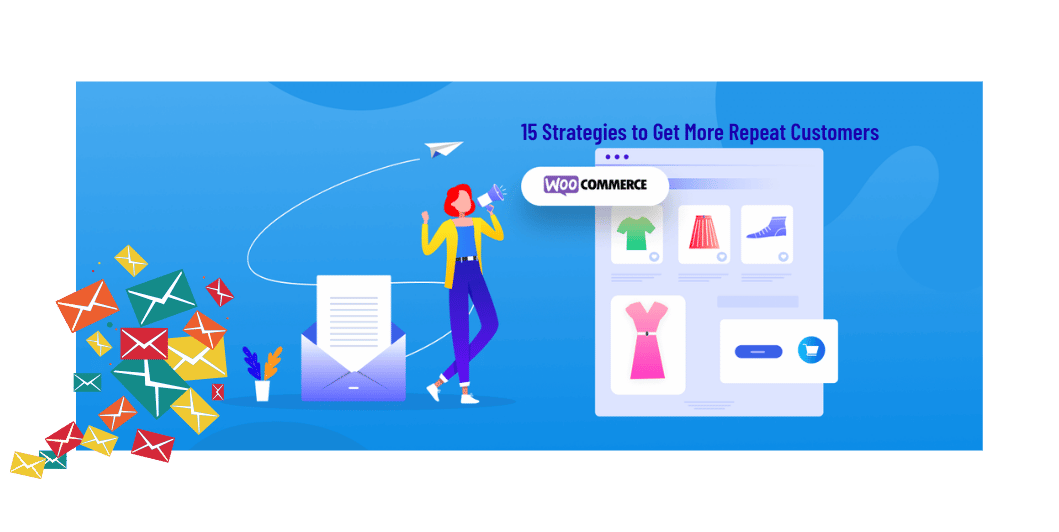
WooCommerce Email Marketing: 15 Strategies to Get More Repeat Customers
Introduction
Getting your first sale is important.
Getting that customer to come back again can be even more valuable.
Once someone has purchased from your WooCommerce store, you already have an established relationship. They’ve seen your product, experienced your checkout process, and—hopefully—had a positive experience.
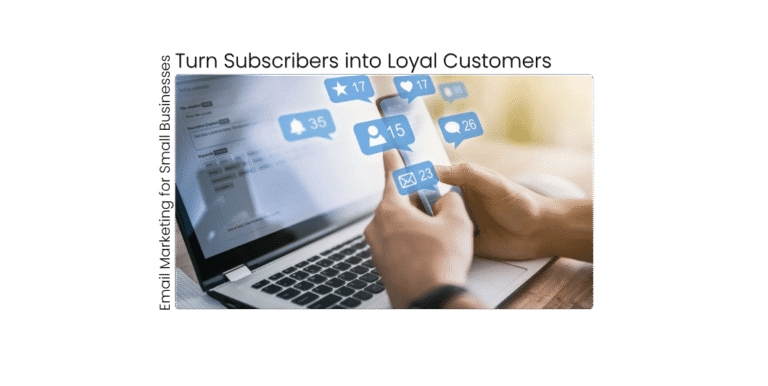
Email marketing can help you stay connected with those customers and encourage future purchases.
But effective email marketing isn’t about sending promotional messages every day.
It’s about sending the right message to the right customer at the right time.
In this guide, we’ll explore 15 practical WooCommerce email marketing strategies that can help you increase repeat purchases and build stronger customer relationships.
What Is WooCommerce Email Marketing?
WooCommerce email marketing involves using email to communicate with customers and prospects throughout their relationship with your store.
You can use email to send:
- Order updates
- Product recommendations
- New product announcements
- Special offers
- Educational content
- Abandoned-cart reminders
- Review requests
- Re-engagement campaigns
The goal isn’t simply to sell.
It’s to provide useful communication that keeps your brand relevant.
Read Also: WooCommerce for Beginners
Why Email Marketing Matters for WooCommerce
Email gives you a direct communication channel with customers who have chosen to hear from your business.
A good email strategy can help you:
- Increase repeat purchases
- Build customer loyalty
- Promote new products
- Recover potential sales
- Increase customer lifetime value
- Reduce dependence on paid advertising
- Strengthen your brand relationship
15 WooCommerce Email Marketing Strategies
1. Send a Welcome Email
When someone subscribes to your email list, send a welcome message.
Your welcome email can introduce:
- Your business
- Your products
- Your values
- What subscribers can expect
If appropriate, you can also include a first-purchase incentive.
2. Personalize Your Emails
Don’t treat every customer exactly the same.
Where your data and consent allow it, personalize messages using information such as:
- First name
- Previous purchases
- Product interests
- Shopping behavior
For example:
“You bought a running shoe six months ago. Here are some accessories that may interest you.”
Relevant recommendations are generally more useful than generic promotions.
3. Send Order Confirmation Emails
Order confirmation isn’t just a transaction message.
Use it to provide important information such as:
- Order number
- Products purchased
- Payment status
- Shipping information
- Expected delivery
A clear confirmation builds confidence immediately after purchase.
4. Send Shipping Updates
Customers want to know where their order is.
Send appropriate updates when:
- The order ships
- Tracking becomes available
- Delivery is approaching
- Delivery is completed
Good communication can reduce unnecessary customer-support requests.
5. Ask for Product Reviews
After customers have had enough time to use their product, ask them for genuine feedback.
You can request:
- Star rating
- Written review
- Product photo
- Product experience
Reviews can help future customers make informed decisions.
Never incentivize or manipulate customers into leaving only positive reviews.
6. Recommend Related Products
Use previous purchases to suggest relevant products.
For example:
Customer purchased: Laptop
You might recommend:
- Laptop bag
- Wireless mouse
- Keyboard
- USB hub
Relevant cross-selling can increase repeat purchases without aggressive selling.
7. Create a Replenishment Campaign
Some products naturally need to be purchased again.
Examples include:
- Skincare products
- Food
- Pet supplies
- Printer consumables
- Household products
If you understand your product’s typical usage cycle, send a reminder around the expected replenishment period.
8. Announce New Products
Give existing customers early access to new products.
For example:
New Arrival: Now Available
Explain:
- What’s new
- Why it matters
- Who it’s for
- How to purchase
Existing customers can be an excellent audience for new products because they already know your brand.
9. Create Seasonal Campaigns
Use relevant seasonal opportunities such as:
- Diwali
- Christmas
- New Year
- Independence Day
- Back-to-school season
- Summer sales
Make sure promotions are genuinely relevant to your products and audience.
Read Also: How to Reduce Cart Abandonment
10. Recover Abandoned Carts
Some customers add products to their cart but don’t complete the purchase.
Where appropriate and permitted, send a reminder.
A simple sequence could be:
Reminder → Helpful information → Final reminder
Don’t bombard customers with messages.
11. Build a Loyalty Program
Reward repeat customers through a structured loyalty program.
Possible rewards include:
- Points
- Exclusive offers
- Early access
- Member-only products
- Free shipping benefits
Make the program simple enough for customers to understand.
12. Send Educational Content
Not every email should ask customers to buy something.
Send useful content such as:
- Product guides
- Tutorials
- Maintenance tips
- How-to articles
- Buying guides
- Industry insights
Educational content can strengthen your relationship with subscribers.
13. Create Customer Segments
Instead of sending every email to your entire list, create useful segments.
For example:
New Customers
People who recently made their first purchase.
Repeat Customers
Customers who have purchased multiple times.
High-Value Customers
Customers with significantly higher lifetime value.
Inactive Customers
Customers who haven’t purchased or engaged for a certain period.
Different groups can receive different messages.
14. Run Re-Engagement Campaigns
Some subscribers eventually stop opening emails.
Instead of removing them immediately, try a re-engagement campaign.
For example:
Still Interested?
Offer useful content or ask whether they still want to receive your emails.
If someone remains inactive, consider reducing or stopping messages to protect your list quality.
15. Measure Email Performance
Don’t send emails without measuring their results.
Track metrics such as:
- Delivery rate
- Open rate
- Click-through rate
- Conversion rate
- Revenue generated
- Unsubscribe rate
- Repeat purchases
Use the data to improve future campaigns.
Read Also: WooCommerce Payment Gateway Guide
A Simple WooCommerce Email Funnel
A basic customer journey could look like this:
Subscriber
↓
Welcome Email
↓
First Purchase
↓
Order Confirmation
↓
Shipping Updates
↓
Review Request
↓
Product Recommendation
↓
Repeat Purchase
↓
Loyal Customer
This creates a relationship instead of relying on one-time promotional emails.
How Often Should You Send Emails?
There isn’t a universal perfect frequency.
Your schedule should depend on:
- Product type
- Customer expectations
- Content quality
- Purchase frequency
- Audience engagement
A useful principle is:
Send emails when you have something genuinely useful to say.
Too many emails can increase unsubscribes and reduce engagement.
Email Subject Line Examples
Here are some ideas:
New Product
Meet Our Latest Product
Product Recommendation
Something You Might Like
Review Request
How Was Your Recent Purchase?
Educational
5 Ways to Get More From Your [Product]
Replenishment
Running Low? It May Be Time to Reorder
Seasonal
Our Diwali Offers Are Here
Avoid misleading clickbait subject lines.
WooCommerce Email Marketing Checklist
Before launching a campaign:
- Define the campaign goal
- Choose the correct audience
- Write a useful subject line
- Keep the message clear
- Use a strong but relevant CTA
- Test links
- Test mobile formatting
- Verify unsubscribe functionality
- Check personalization
- Track campaign results
Important Email Marketing Rules
Email marketing involves privacy and consent considerations.
Before sending marketing emails, make sure your process follows applicable laws and regulations.
Good practices include:
- Obtain appropriate consent where required
- Clearly identify your business
- Provide an easy unsubscribe option
- Don’t purchase random email lists
- Protect customer data
- Respect unsubscribe requests
Requirements can vary by country and audience, so businesses should review the rules applicable to them.
Common WooCommerce Email Marketing Mistakes
Avoid:
❌ Sending promotional emails every day
❌ Buying email lists
❌ Ignoring unsubscribe requests
❌ Sending irrelevant offers
❌ Using misleading subject lines
❌ Not segmenting customers
❌ Ignoring mobile users
❌ Never measuring campaign performance
Read Also: How to Increase WooCommerce Sales
Frequently Asked Questions
Is email marketing good for WooCommerce?
Yes. Email can be an effective channel for customer retention, product recommendations, promotions, and repeat purchases.
How can I get more repeat customers?
Focus on product quality, customer service, useful follow-up communication, relevant recommendations, loyalty programs, and a smooth purchasing experience.
Should every customer receive the same email?
Not necessarily. Segmentation allows you to make messages more relevant to different customer groups.
How often should an online store send promotional emails?
There’s no universal schedule. Focus on relevance and customer expectations rather than sending as frequently as possible.
Can email marketing increase customer lifetime value?
It can contribute to higher customer lifetime value by encouraging repeat purchases and maintaining customer relationships.
Final Thoughts
The first purchase shouldn’t be the end of your relationship with a customer.
With a thoughtful WooCommerce email marketing strategy, you can continue providing value after the sale, recommend relevant products, encourage repeat purchases, and build long-term customer relationships.
The key is simple:
Be useful. Be relevant. Don’t be annoying.
When customers consistently receive valuable communication from your brand, they’re more likely to remember you when they’re ready to buy again.
One Comment