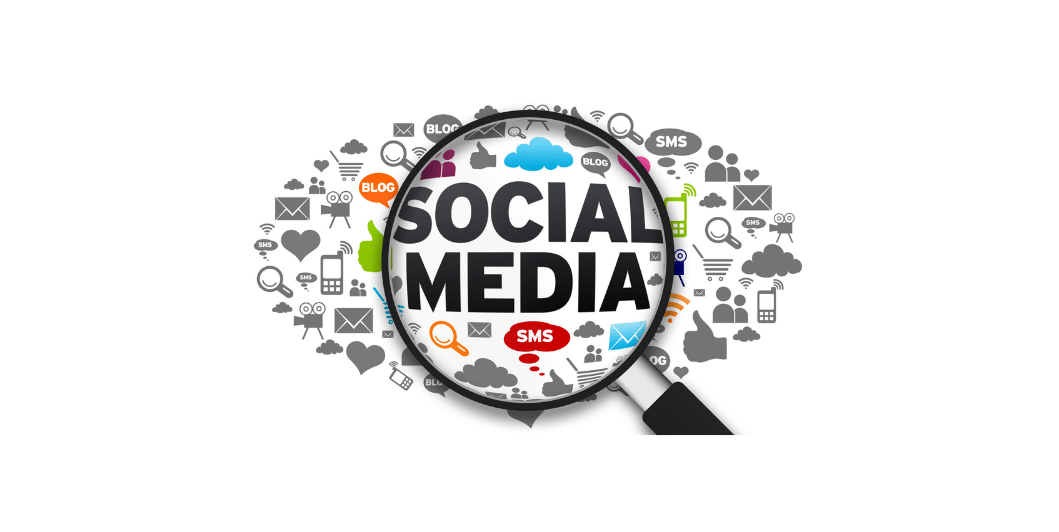
Social Media Marketing for Small Businesses: A Complete Guide to Growing Your Brand in 2026
Introduction
Every day, billions of people scroll through social media looking for information, entertainment, recommendations, and businesses they can trust.
For small businesses, this creates an incredible opportunity.
Social media is more than just posting attractive photos—it’s a powerful marketing channel that helps you build relationships, establish credibility, and drive sales.
Whether you run a local business, an online store, or a service-based company, a well-planned social media strategy can help you reach more customers without requiring a huge advertising budget.
What Is Social Media Marketing?
Social Media Marketing (SMM) is the process of using social media platforms to promote your business, engage with customers, and achieve marketing goals such as:
- Increasing brand awareness
- Driving website traffic
- Generating leads
- Boosting sales
- Building customer loyalty
Unlike traditional advertising, social media allows businesses to have two-way conversations with their audience.
Read More: Digital Marketing for Small Businesses
Why Social Media Matters
An active social media presence can help you:
- Build trust with potential customers
- Reach new audiences
- Showcase products and services
- Share customer success stories
- Promote offers and events
- Drive visitors to your website
Consistency is often more important than posting frequently.
Choosing the Right Platform
Not every platform suits every business.
Best for:
- Local businesses
- Community building
- Events
- Promotions
Ideal for:
- Fashion
- Food
- Travel
- Lifestyle
- Product-based businesses
Use Reels, Stories, and carousel posts to increase engagement.
Read Also: Why Branding Matters
Perfect for:
- B2B companies
- Consultants
- Agencies
- Professional services
Share industry insights, company updates, and case studies.
YouTube
Excellent for:
- Tutorials
- Product demonstrations
- Educational content
- Customer testimonials
Video content often has a longer lifespan than social posts.
Creating a Content Strategy
Avoid posting randomly.
Plan your content around key themes such as:
- Educational tips
- Behind-the-scenes updates
- Customer testimonials
- Product highlights
- Team introductions
- Industry news
- Frequently asked questions
A content calendar helps you stay organized and consistent.
The 80/20 Rule
A balanced content mix works well for most businesses:
- 80% valuable, educational, or entertaining content
- 20% promotional content
This keeps your audience engaged without making your feed feel like a constant advertisement.
Best Posting Practices
Improve your social media performance by:
- Using high-quality visuals
- Writing clear captions
- Including a call to action
- Responding to comments promptly
- Posting consistently
- Using relevant hashtags where appropriate
Focus on quality rather than quantity.
Read More: 15 AI Tools Every Small Business Should Use
Should You Run Paid Ads?
Organic reach is valuable, but paid advertising can help you:
- Reach new audiences
- Promote offers
- Generate leads
- Increase website traffic
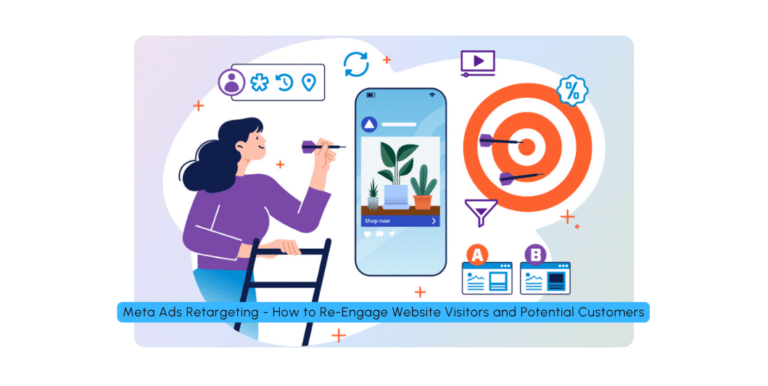
- Retarget previous visitors
Even a modest budget can produce meaningful results when campaigns are well-targeted.
Measuring Success
Track metrics such as:
- Reach
- Engagement
- Follower growth
- Website clicks
- Leads generated
- Conversion rate
Review your analytics regularly to identify what works and refine your strategy.
Common Mistakes to Avoid
Avoid these common pitfalls:
- Posting inconsistently
- Ignoring comments and messages
- Using poor-quality visuals
- Buying fake followers
- Posting without clear goals
- Copying competitors without adding your own perspective
Authenticity and consistency are more valuable than chasing vanity metrics.
Read Also: 10 Reasons Every Small Business Needs a Professional Website
Frequently Asked Questions
How often should I post?
The ideal frequency depends on your audience and platform, but maintaining a consistent schedule is generally more important than posting every day.
Do I need to be on every platform?
No. Focus on the platforms where your target audience spends the most time and where your business can consistently create valuable content.
Can social media generate sales?
Yes. Strong content, community engagement, and targeted advertising can all contribute to lead generation and sales.
Is organic reach enough?
Organic content builds trust over time, while paid advertising can accelerate growth. A combination of both often delivers the best results.
Final Thoughts
Social media marketing is one of the most accessible ways for small businesses to connect with customers, share their expertise, and grow their brand.
Success doesn’t come from chasing every trend. It comes from understanding your audience, providing value, and showing up consistently.
Whether you’re just getting started or looking to improve your existing strategy, investing time in social media can create lasting benefits for your business.
One Comment