Marketing Automation for Small Businesses: Save Time, Generate More Leads, and Grow Faster (2026)
Introduction
Imagine responding to every new customer instantly, sending follow-up emails automatically, reminding clients about appointments, and nurturing leads while you focus on growing your business.
That’s exactly what marketing automation makes possible.
As businesses grow, handling every customer interaction manually becomes difficult. Marketing automation helps streamline repetitive tasks, improve communication, and ensure no valuable lead slips through the cracks.
Whether you’re a startup, local business, or growing company, automation can help you work smarter—not harder.
What Is Marketing Automation?
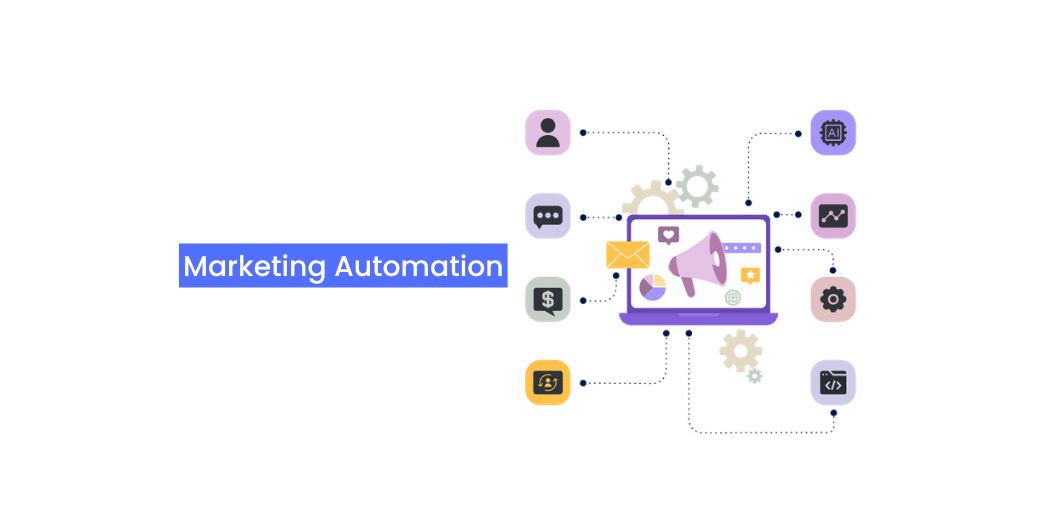
Marketing automation is the use of software and technology to automate repetitive marketing tasks.
Instead of manually sending emails, replying to inquiries, or tracking leads, automation tools perform these tasks based on predefined rules.
Examples include:
- Welcome emails
- Lead follow-ups
- Appointment reminders
- Newsletter campaigns
- WhatsApp notifications
- CRM updates
- Customer feedback requests
Why Marketing Automation Matters
Automation helps businesses:
- Save valuable time
- Improve customer communication
- Increase lead conversions
- Reduce manual errors
- Deliver consistent customer experiences
- Scale marketing efforts
- Improve team productivity
By automating routine tasks, your team can focus on strategy and customer relationships.
Read More: 15 AI Tools Every Small Business Should Use
Common Marketing Automation Workflows
1. Welcome Email Series
Automatically greet new subscribers with:
- A thank-you message
- Company introduction
- Helpful resources
- Special offers
A positive first impression builds trust.
2. Lead Follow-Up
When someone fills out a contact form:
- Send an instant confirmation
- Notify your sales team
- Schedule a follow-up reminder
Quick responses improve the chances of converting leads.
3. Appointment Reminders
Automatically remind customers about:
- Meetings
- Consultations
- Service appointments
- Renewals
This can help reduce missed appointments.
4. Abandoned Cart Recovery
For eCommerce businesses, send reminder emails or messages when customers leave items in their shopping cart.
These reminders can encourage customers to complete their purchase.
Read More: Email Marketing for Small Businesses
5. Customer Feedback
After completing a service or purchase, automatically ask customers for:
- Reviews
- Ratings
- Testimonials
- Suggestions
Feedback helps improve your business and build credibility.
Tools for Marketing Automation
Popular platforms include:
- HubSpot
- Mailchimp
- Brevo
- ActiveCampaign
- Zapier
- Make
- Zoho CRM
- Pipedrive
Choose tools based on your business size, budget, and required features.
Best Practices
To get the most from marketing automation:
- Start with one or two workflows
- Personalize messages where possible
- Keep your customer data updated
- Test workflows before launching
- Review performance regularly
- Avoid sending too many automated messages
Automation should enhance the customer experience, not make communication feel impersonal.
Mistakes to Avoid
Avoid these common errors:
- Automating every interaction
- Ignoring personalization
- Using outdated customer data
- Sending irrelevant messages
- Failing to monitor automation performance
- Not reviewing customer feedback
Read More: Lead Generation for Small Businesses
Measuring Success
Track metrics such as:
- Email open rates
- Click-through rates
- Lead response time
- Conversion rate
- Customer retention
- Time saved through automation
Regular analysis helps you improve your workflows.
Frequently Asked Questions
Is marketing automation only for large businesses?
No. Small businesses can benefit from automation by reducing repetitive work and improving customer communication.
Does automation replace human interaction?
No. Automation handles routine tasks, while your team focuses on personalized conversations and complex customer needs.
Is marketing automation expensive?
Many platforms offer affordable plans for small businesses, allowing you to start with basic features and upgrade as your business grows.
Can marketing automation improve sales?
Yes. Faster follow-ups, personalized communication, and consistent customer engagement can all contribute to better conversion rates and stronger customer relationships.
Final Thoughts
Marketing automation isn’t about replacing people—it’s about making your marketing more efficient and consistent. By automating repetitive tasks, you can respond to customers faster, nurture leads more effectively, and free up time for strategic work.
Start small with simple workflows, monitor the results, and expand your automation as your business grows.