
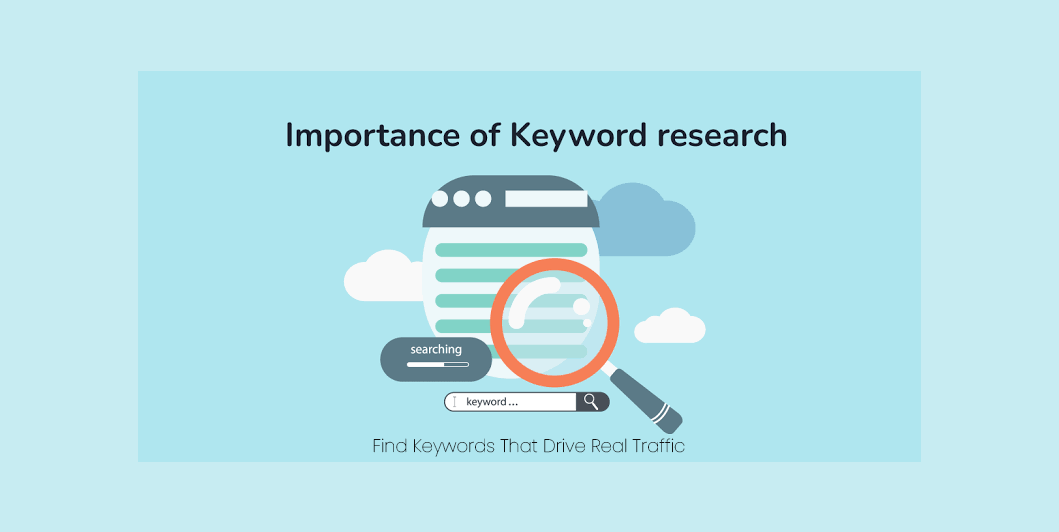
Keyword Research for SEO: How to Find Keywords That Drive Real Traffic (2026)
Introduction
You’ve built a professional website and started publishing content—but how do you make sure people actually find it on Google?
The answer starts with keyword research.
Keyword research is the foundation of every successful SEO strategy. It helps you understand what your audience is searching for so you can create content that answers their questions and solves their problems.
Without keyword research, you might spend hours writing articles that no one searches for. With the right keywords, however, your content can attract targeted visitors, generate leads, and grow your business organically.
In this guide, you’ll learn how to find valuable keywords, understand search intent, and use them effectively in your content.
What Is Keyword Research?
Keyword research is the process of discovering the words and phrases people type into search engines like Google.
These keywords reveal:
- What your audience wants
- How they search
- The problems they’re trying to solve
- The language they use
By targeting the right keywords, you increase your chances of appearing in relevant search results.
Why Keyword Research Matters
Effective keyword research helps you:
- Increase organic traffic
- Reach the right audience
- Improve search rankings
- Create relevant content
- Understand customer needs
- Build a stronger content strategy
Rather than guessing what people want, keyword research provides data-driven insights.
Understanding Search Intent
Search intent is the reason behind a user’s search. Matching your content to the correct intent improves both rankings and user satisfaction.
Informational
The user wants to learn something.
Examples:
- What is SEO?
- How to create a website
- Keyword research guide
Navigational
The user is looking for a specific website or brand.
Examples:
- WordPress login
- Google Analytics
Commercial Investigation
The user is comparing options before making a decision.
Examples:
- Best website builder
- WordPress vs Wix
- Best SEO tools
Transactional
The user is ready to take action.
Examples:
- Buy domain name
- Hire SEO expert
- Website development company
Types of Keywords
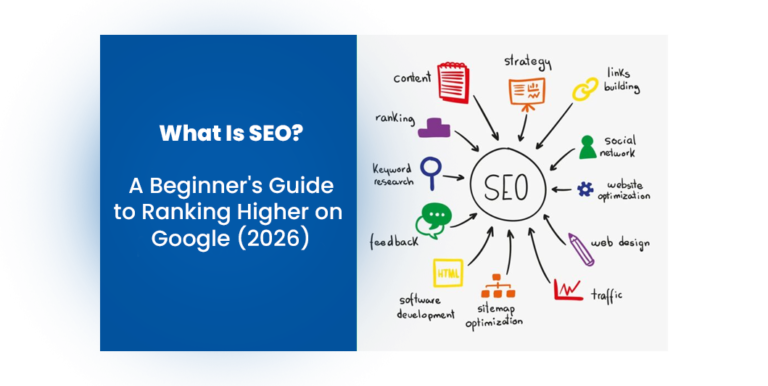
Read Also: What Is SEO? A Beginner’s Guide to Ranking Higher on Google
Short-Tail Keywords
Broad and highly competitive.
Examples:
- SEO
- Website
- Marketing
Long-Tail Keywords
More specific with lower competition and higher conversion potential.
Examples:
- SEO for small businesses
- Affordable website development services
- How to improve Google rankings
Long-tail keywords are especially valuable for newer websites.
Local Keywords
Ideal for businesses targeting customers in specific locations.
Examples:
- Website developer in Kolkata
- SEO company near me
- Digital marketing agency in West Bengal
How to Find Keywords
Start with topics related to your business, then expand them into keyword ideas using trusted tools.
Popular methods include:
- Google Autocomplete
- People Also Ask
- Related Searches
- Google Search Console
- Competitor analysis
- Industry forums and FAQs
Free Keyword Research Tools
Some of the best free tools include:
- Google Keyword Planner
- Google Trends
- Google Search Console
- Google Autocomplete
- AnswerThePublic (limited free version)
- Ubersuggest (limited free version)
These tools help you discover keyword ideas, seasonal trends, and search volume estimates.
How to Choose the Right Keywords
When evaluating keywords, consider:
- Relevance to your business
- Search intent
- Search volume
- Competition
- Conversion potential
For newer websites, focus on low-competition, long-tail keywords to build authority.
Where to Use Keywords
Place your primary keyword naturally in key areas such as:
- Page title
- URL
- Meta description
- H1 heading
- Introduction
- Subheadings (where relevant)
- Image alt text
- Conclusion
Avoid overusing keywords. Write for people first and search engines second.
Common Keyword Research Mistakes
Avoid these common pitfalls:
- Targeting keywords that are too competitive
- Ignoring search intent
- Keyword stuffing
- Using irrelevant keywords
- Publishing duplicate content
- Failing to update old articles
Keyword Research Checklist
✔ Identify your target audience
✔ Choose one primary keyword
✔ Find related keywords
✔ Understand search intent
✔ Check keyword competition
✔ Plan internal links
✔ Optimize your title and meta description
✔ Review performance using Search Console
Frequently Asked Questions
How many keywords should I target per page?
Focus on one primary keyword and support it with a handful of closely related secondary keywords. This keeps your content focused and easier for search engines to understand.
Are long-tail keywords better?
For many websites—especially newer ones—yes. They often have lower competition and attract visitors with more specific needs, which can lead to higher engagement and conversions.
How often should I do keyword research?
Review your keyword strategy regularly. Search trends, customer behavior, and competition change over time, so updating your research every few months is a good practice.
Can I rank without keyword research?
It’s possible, but far less likely. Keyword research helps ensure you’re creating content that people are actually searching for.
Final Thoughts
Keyword research is the starting point of effective SEO. By understanding your audience, choosing relevant keywords, and matching search intent, you can create content that attracts qualified visitors and supports long-term business growth.
As your blog grows, revisit older articles, refine your keyword strategy, and continue publishing content that answers real user questions. Consistency and relevance are key to building lasting search visibility.




One Comment