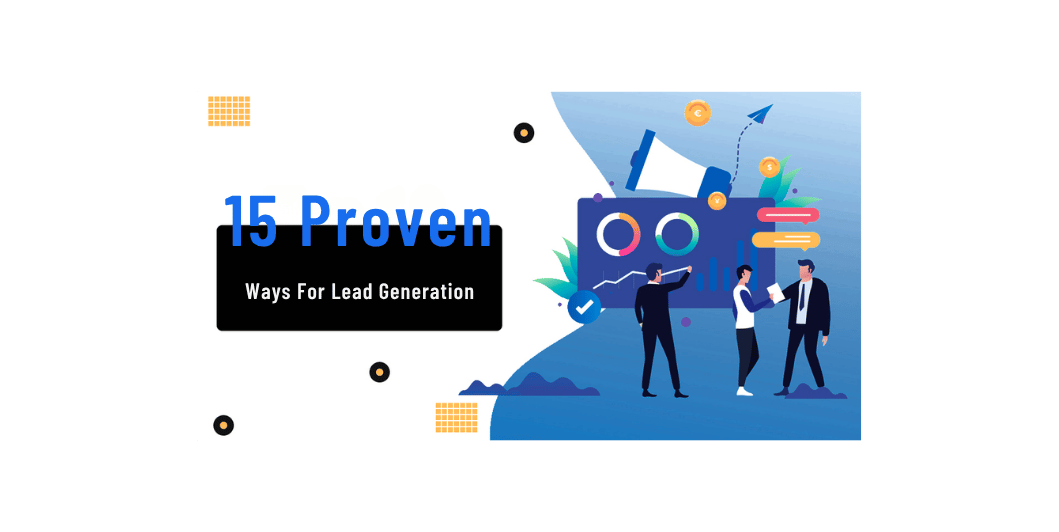
Lead Generation for Small Businesses: 15 Proven Ways to Get More Customers in 2026
Introduction
Every business has one common goal—finding new customers.
You may have the best products, competitive pricing, and excellent customer service, but if people don’t know your business exists, growth becomes difficult.
That’s where lead generation comes in.
Lead generation is the process of attracting people who are interested in your products or services and encouraging them to take the next step—whether that’s filling out a contact form, booking a consultation, requesting a quote, or making a purchase.
Instead of waiting for customers to find you, a good lead generation strategy helps you build a steady pipeline of potential clients.
What Is Lead Generation?
A lead is someone who has shown interest in your business.
Examples include people who:
- Fill out a contact form
- Download a free guide
- Subscribe to your newsletter
- Request a quotation
- Book a consultation
- Send a WhatsApp message
- Call your business
Lead generation is about turning strangers into prospects and prospects into customers.
Why Lead Generation Matters
A structured lead generation strategy helps you:
- Increase sales opportunities
- Grow your customer base
- Improve marketing ROI
- Build predictable business growth
- Reduce dependence on referrals alone
Without a consistent flow of leads, it’s difficult to scale a business.
Read Also: Digital Marketing for Small Businesses
15 Proven Lead Generation Strategies
1. Build a Professional Website
Your website is your digital salesperson.
Include:
- Clear service pages
- Contact forms
- Strong calls to action
- Customer testimonials
- Fast loading speed
2. Optimize for Search Engines
When customers search online, your business should be easy to find.
Create helpful content, optimize your pages, and focus on answering common customer questions.
3. Create Valuable Content
Publish articles, videos, and guides that solve your audience’s problems.
Educational content builds trust before asking for a sale.
4. Offer a Lead Magnet
Give visitors a reason to share their contact details.
Examples:
- Free checklist
- eBook
- Template
- Consultation
- Industry report
- Free audit
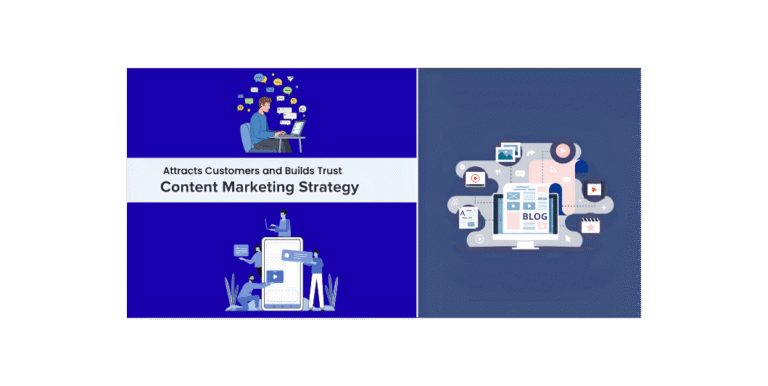
Read Also: Content Marketing Strategy
5. Use Landing Pages
A dedicated landing page focuses on one offer and one call to action.
Remove unnecessary distractions and make it easy for visitors to convert.
6. Collect Customer Reviews
Positive reviews increase trust and encourage new customers to contact your business.
7. Leverage Social Media
Share educational posts, customer success stories, videos, and behind-the-scenes content to engage your audience.
8. Run Targeted Advertising
Use platforms such as:
- Google Ads
- Facebook Ads
- Instagram Ads
- LinkedIn Ads
Target people based on their interests, location, or search intent.
9. Build an Email List
Stay connected with potential customers by sending newsletters, updates, and exclusive offers.
10. Add Live Chat or Chatbots
Instant responses improve customer experience and help capture leads outside business hours.
11. Use WhatsApp for Business
Many customers prefer messaging over phone calls.
Provide a WhatsApp button on your website and social media pages to make communication easier.
12. Network Online and Offline
Attend business events, webinars, and local networking sessions.
Strong relationships often lead to valuable referrals.
13. Publish Case Studies
Show how you’ve helped previous customers solve real problems.
Case studies provide credibility and demonstrate measurable results.
14. Offer Free Consultations
A short consultation allows potential customers to understand your expertise before making a decision.
15. Measure and Improve
Track key metrics such as:
- Website visitors
- Form submissions
- Phone calls
- Email sign-ups
- Cost per lead
- Conversion rate
Regular analysis helps you improve your marketing efforts over time.
Read Also: Email Marketing for Small Businesses
Common Lead Generation Mistakes
Avoid these mistakes:
- Weak calls to action
- Slow websites
- Asking for too much information in forms
- Ignoring follow-ups
- Inconsistent marketing
- Failing to measure results
Lead Generation Checklist
Before launching your campaign, make sure you have:
✅ Professional website
✅ Contact forms
✅ Lead magnet
✅ Landing page
✅ Email automation
✅ Social media strategy
✅ Customer testimonials
✅ Analytics tracking
✅ Clear call to action
Read Also: Social Media Marketing for Small Businesses
Frequently Asked Questions
What is a qualified lead?
A qualified lead is someone who matches your target audience and has shown genuine interest in your product or service.
How long does lead generation take?
Some channels, like paid advertising, can produce results quickly, while SEO and content marketing typically require a longer-term approach.
Is lead generation only for online businesses?
No. Local businesses, service providers, retailers, and B2B companies can all benefit from a structured lead generation strategy.
What’s the best lead generation channel?
The best channel depends on your audience and goals. Many businesses achieve the strongest results by combining multiple channels such as websites, content, social media, email, and paid advertising.
Final Thoughts
Lead generation isn’t about collecting as many contacts as possible—it’s about attracting the right people and giving them a compelling reason to engage with your business.
By combining a professional website, valuable content, strong calls to action, and consistent follow-up, you can build a predictable system for generating new business opportunities.
Start with a few proven strategies, measure your results, and refine your approach over time. Consistency is what turns marketing into sustainable business growth.


4 Comments